
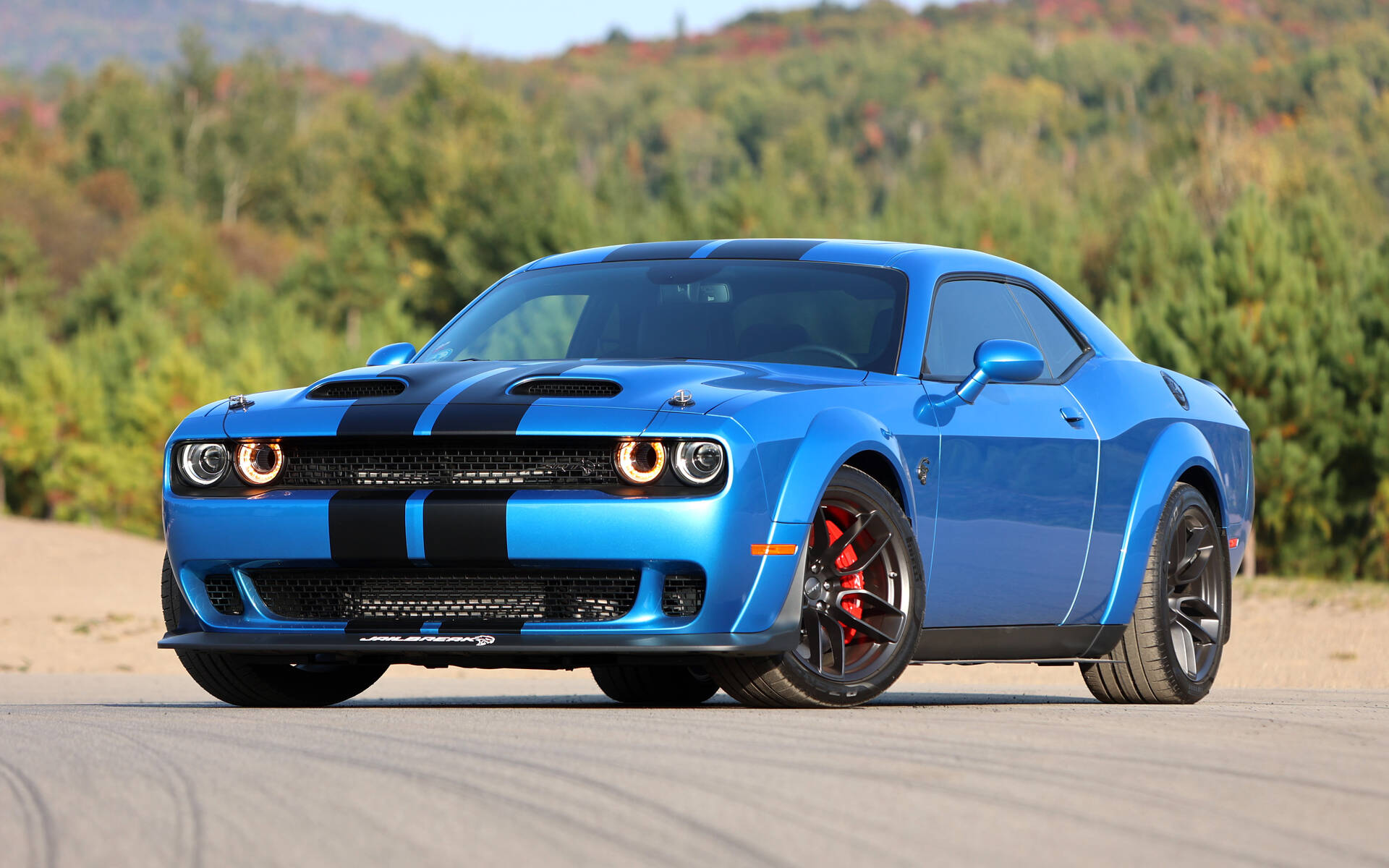
The topic of hellcat weight is very important for anyone who loves muscle cars. Many people think only about speed and horsepower, but weight plays a huge role too. It affects how the car feels on the road, how fast it accelerates, and how well it turns in corners. So, understanding hellcat weight helps you understand the full performance of these powerful machines.
The hellcat weight is not small because these cars are built to handle extreme power. They are not lightweight sports cars like supercars. Instead, they are heavy muscle cars with strong steel bodies and big engines. This makes them stable at high speeds but also adds extra weight.
When we talk about hellcat weight, we usually refer to famous models like the Dodge Challenger SRT Hellcat and the Dodge Charger SRT Hellcat. Both are known for their strength and speed, but both also carry a heavy body structure. In this guide, you will learn everything about hellcat weight in very simple words.
What is Hellcat Weight?
The hellcat weight means the total mass of a Hellcat car when it is fully built and ready to drive. This includes the engine, transmission, body frame, fuel tank, seats, wheels, and every small part inside the car. It is usually measured in pounds in the United States.
Most Hellcat models have a hellcat weight between 4,300 and 4,600 pounds. That is very heavy compared to many sports cars, which often weigh much less. However, this weight is not a weakness. It is part of the design that helps the car stay stable when it reaches very high speeds on highways or race tracks.
The hellcat weight also changes depending on the version of the car. For example, widebody versions are heavier because they have wider fenders and stronger tires. Even small features like sound systems or safety upgrades can increase the total hellcat weight without changing the engine power.
Average Hellcat Weight by Model
Different models of Hellcat cars have different hellcat weight numbers. This is because each model is built with a different body style, size, and purpose. Some are designed as coupes, while others are sedans with more space and comfort features.
The Dodge Challenger SRT Hellcat is one of the most popular muscle cars, and its hellcat weight is usually around 4,400 to 4,500 pounds. It is a two-door coupe, and even though it looks sporty, it still carries a lot of heavy components inside. The strong frame and powerful engine make it heavier than many expect.
On the other hand, the Dodge Charger SRT Hellcat is a four-door sedan, and its hellcat weight is often slightly higher. It can go above 4,500 pounds depending on the trim and options. Because it is bigger and built for more passengers, it naturally weighs more.
Key hellcat weight facts:
- Challenger Hellcat: around 4,400–4,500 lbs
- Charger Hellcat: around 4,500–4,600+ lbs
- Widebody versions: increase hellcat weight further
- Special trims: may slightly reduce hellcat weight with lighter parts
Even small changes in design can affect the final hellcat weight, so each version feels a little different when driving.
Why Hellcat Weight is So High
The hellcat weight is high for very clear reasons. These cars are not built like regular vehicles. They are built for extreme performance, which means they need strong materials and powerful parts. Everything is designed to handle stress from high horsepower.
One major reason for high hellcat weight is the engine. The supercharged 6.2L V8 engine is very large and heavy. It produces massive power, but it also adds a lot of mass to the front of the car. This alone increases the total hellcat weight significantly.
Another reason is safety. The hellcat weight increases because the car uses thick steel frames, reinforced doors, and crash protection systems. These features are important because the car can reach very high speeds, so safety must match performance.
Comfort features also add to hellcat weight. Leather seats, advanced infotainment systems, speakers, air conditioning, and electronics all add extra pounds. Even though each part seems small, together they make a big difference in total weight.
Engine Power and Hellcat Weight Connection
The engine plays a huge role in hellcat weight. Without the engine, the car would be much lighter, but it would also lose its identity. The Hellcat engine is built for power, not for lightness.
The supercharged V8 engine produces extreme horsepower, which is why the hellcat weight must be balanced properly. Engineers carefully design the car so the weight does not affect performance too much. The power is strong enough to move the heavy body very fast.
Because of this, the hellcat weight actually helps stability. At high speeds, heavier cars can feel more planted on the road. This is why Hellcats feel stable even when driving very fast in a straight line.
How Hellcat Weight Affects Speed
The hellcat weight directly affects acceleration and handling. Heavier cars usually need more power to move quickly. However, Hellcats have enough horsepower to overcome their weight easily.
Even with high hellcat weight, these cars can go from 0 to 60 mph in just a few seconds. This shows how powerful the engine is. The weight does slow down sharp turns a little, but it improves straight-line stability.
So, the hellcat weight creates a balance. It reduces some agility but increases control at high speeds. This is why Hellcats are known as straight-line speed monsters.
Performance vs Hellcat Weight Balance
Car engineers always try to balance hellcat weight with performance. They do not want the car to be too heavy or too light. If it is too light, it may lose stability. If it is too heavy, it may lose speed.
The hellcat weight is carefully managed using strong but efficient materials. Some parts are made lighter in special trims. This helps improve performance without losing strength.
In real driving, the hellcat weight gives a strong road grip feel. Drivers often feel like the car is glued to the road when going fast in a straight line.
FAQs
1. What is the average hellcat weight?
Most Hellcats weigh between 4,300 and 4,600 pounds depending on the model.
2. Is hellcat weight too heavy for speed?
No. The engine power is strong enough to handle the weight easily.
3. Which Hellcat is heavier?
The Charger Hellcat is usually slightly heavier than the Challenger Hellcat.
4. Why does hellcat weight matter?
It affects speed, handling, stability, and fuel use.
5. Can hellcat weight be reduced?
Yes, some trims use lighter parts, but changes are small.
Conclusion
The hellcat weight is a key part of what makes these cars special. It is not just about being heavy. It is about balance, power, and safety. Without this weight, the cars would not perform the same way.
The hellcat weight works together with the engine to create strong acceleration and stable driving. Even though it is heavy, it still delivers extreme speed and power.
In the end, the hellcat weight is part of the muscle car identity. It shows strength, durability, and performance in one package.
